
Understanding the Australian Taxation Office: What It Does and Why It Matters
Nov 28, 2025, by DJ Napata
The Australian Taxation Office (ATO) plays one of the most important roles in keeping Australia’s economy running smoothly. Whether you’re an employee, business owner, or investor, you’ll interact with the ATO in some way — from lodging tax returns to managing superannuation or paying the Goods and Services Tax (GST).
But beyond collecting taxes, the ATO is deeply involved in supporting fairness, transparency, and financial growth across the country. Let’s take a closer look at what the ATO actually does and how it affects everyday Australians.
What Is the Australian Taxation Office (ATO)?
The Australian Taxation Office is the principal revenue collection agency for the Australian Government. It ensures that individuals and organisations meet their tax and superannuation obligations.
Established in 1910, the ATO operates under the Treasury portfolio and manages a wide range of systems designed to keep the nation’s financial framework stable. Its main goal is to make sure tax laws are applied fairly while making compliance as simple as possible for everyone.
The Key Roles of the ATO
The ATO does far more than just collect income tax. Its work touches multiple parts of the economy, including:
- Tax Collection: Managing individual income tax, company tax, and indirect taxes like GST.
- Superannuation Regulation: Overseeing super funds and ensuring contributions are correctly reported and managed.
- Business Services: Supporting small businesses with ABN registration, PAYG withholding, and BAS reporting.
- Education and Compliance: Providing tools, guides, and online services to help taxpayers understand their rights and responsibilities.
- Policy Support: Advising the government on tax system improvements and economic policy.
Through these functions, the ATO ensures that Australia’s tax system remains fair, efficient, and adaptable to change.
How the ATO Helps Individuals
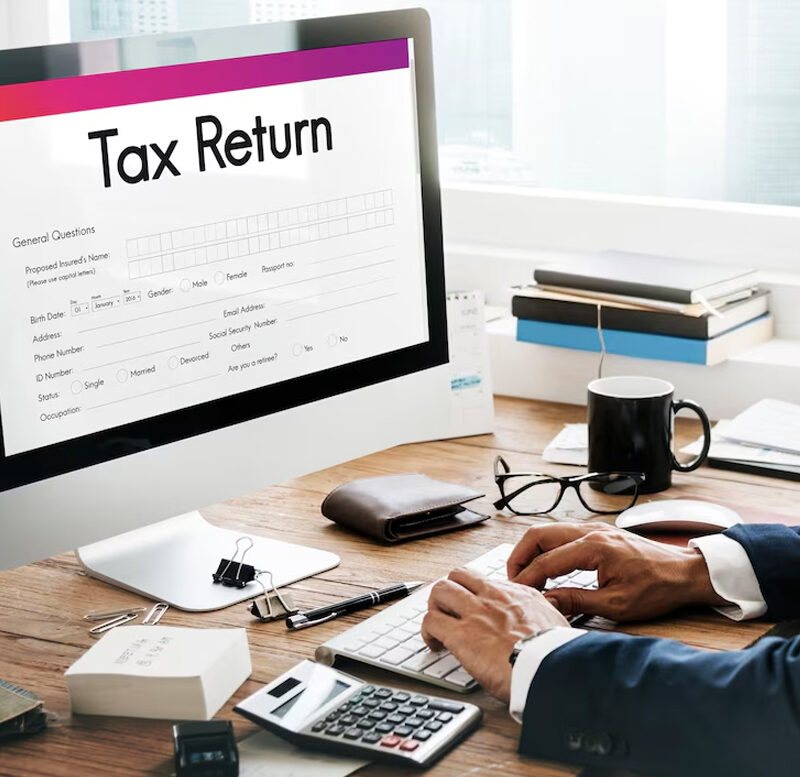
For most Australians, the ATO becomes relevant during tax season. Each year, individuals lodge their income tax return, declaring their earnings and claiming eligible deductions.
The ATO provides digital tools such as myTax and the ATO app, allowing individuals to submit their tax returns online with ease. It also issues Tax File Numbers (TFNs), monitors superannuation balances, and provides refund updates directly through its online portal.
Many people also turn to the ATO for guidance on topics such as:
- Claiming work-related expenses
- Reporting freelance or side-income
- Understanding residency for tax purposes
- Accessing early superannuation or tax offsets
By offering clear online support and resources, the ATO aims to make tax compliance more transparent and stress-free.
How the ATO Supports Businesses
For Australian businesses, compliance goes beyond annual tax returns. The ATO plays a key role in helping enterprises manage their obligations effectively.
Some of the main services for business owners include:
- Business Activity Statements (BAS): For reporting GST, PAYG, and other taxes.
- PAYG Withholding: Ensuring employees’ income tax is withheld correctly.
- Fringe Benefits Tax (FBT): Managing benefits provided to staff.
- Superannuation Guarantee: Making sure employers pay the correct super contributions.
The ATO also runs support programs that help businesses recover from financial hardship, natural disasters, or economic downturns. This makes it not only a regulator but also a partner in business sustainability.
Why the ATO Is Important for the Economy
The ATO doesn’t just collect taxes, it funds Australia’s entire social and economic framework. The money it collects supports public services like:
- Healthcare (Medicare)
- Education
- Infrastructure
- Defence
- Welfare programs
In short, every dollar collected helps fund the systems that make everyday life in Australia possible.
The ATO also ensures that everyone contributes their fair share, closing tax gaps and cracking down on fraud or evasion. This promotes trust in the system and keeps the economy stable.
ATO and Digital Transformation
In recent years, the Australian Taxation Office has become one of the most technologically advanced public agencies in the country.
Digital transformation projects have made it easier than ever to:
- Lodge and track tax returns online
- Link services via myGov
- Receive real-time updates on refunds
- Access personalised tax estimates
By integrating automation and data analytics, the ATO can now identify errors, detect fraudulent activity, and streamline communication with taxpayers.
How to Stay Compliant with the ATO
Whether you’re an individual or business owner, staying compliant with the ATO is essential. Here are a few key tips:
- Keep accurate records of income, expenses, and invoices.
- Lodge tax returns before the due date.
- Understand which deductions and credits you’re entitled to.
- Pay superannuation contributions on time.
- Respond promptly to ATO communications or review requests.
If you’re ever unsure, the ATO’s official website provides comprehensive resources, calculators, and examples for nearly every tax-related situation.
What Happens If You Don’t Comply?
The ATO has strict but fair measures in place to handle non-compliance. If you miss deadlines or underreport income, you may face:
- Penalties or fines
- Interest charges
- Legal action for serious offences
However, the ATO often works with taxpayers who are struggling to meet obligations, offering payment plans or debt support to help them get back on track.
It’s always better to be proactive, reach out early and seek guidance before issues escalate.
The Future of the Australian Taxation Office
The ATO continues to evolve with the needs of modern Australia. Expect to see:
- Greater use of artificial intelligence for data accuracy and fraud detection
- Improved digital accessibility for small businesses and individuals
- More personalised guidance through online tools
- Expanded initiatives promoting tax fairness and sustainability
These advancements reflect the ATO’s mission to make tax administration simpler and more transparent while supporting economic progress.
Final Thoughts
The Australian Taxation Office is more than just a government agency. It’s the backbone of the nation’s financial integrity, helping individuals, businesses, and the economy thrive.
By understanding how the ATO works and using its online resources, taxpayers can stay compliant, make smarter financial decisions, and contribute to Australia’s continued success.
FAQs
- What is the main role of the Australian Taxation Office?
The ATO manages Australia’s tax and superannuation systems, ensuring individuals and businesses meet their financial obligations while supporting public services and national development. - How can I contact the ATO?
You can contact the ATO through its website at ato.gov.au, via phone, or through your linked myGov account. - When are tax returns due in Australia?
For individuals lodging their own returns, the deadline is typically 31 October each year. If you use a registered tax agent, you may be eligible for an extended deadline.